
Wisconsin’s "Digital ID" Bill is a Privacy Nightmare—And Lawmakers Don’t Understand How the Internet Works

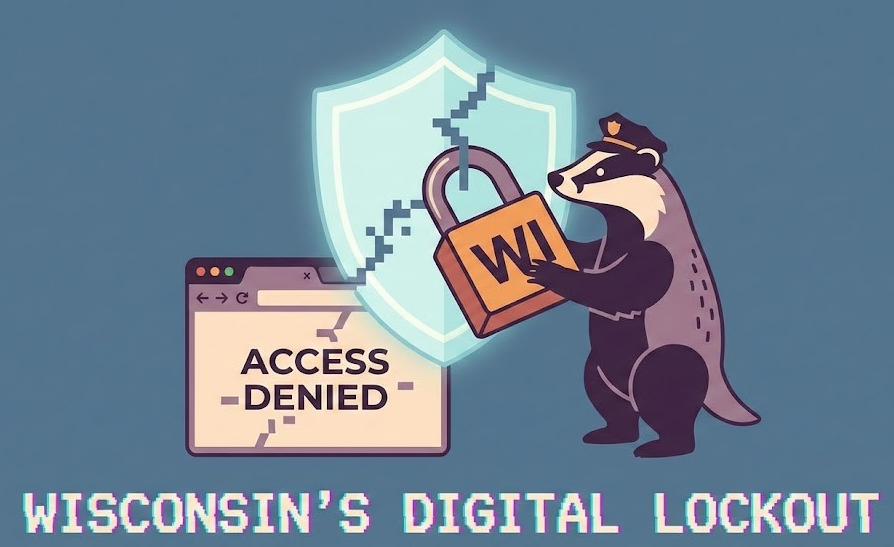
The Wisconsin State Senate is currently fast-tracking legislation that promises to "protect the children" but delivers something far more dangerous: a fundamental dismantling of online privacy for every adult in the state.
Under the guise of shielding minors from harmful content, Senate Bill 130 (and its Assembly counterpart AB 105) proposes a dragnet of surveillance that would force websites to collect government IDs, financial data, or biometric scans from users. Perhaps most alarmingly, it includes a provision that betrays a total lack of technical literacy among its authors: a state-level mandate to block Virtual Private Networks (VPNs).
If passed, Wisconsin wouldn’t just be regulating porn sites; it would be effectively outlawing digital anonymity and breaking the basic architecture of the secure internet.
The "Carding" of the Web
The core of the bill requires any website hosting a "substantial portion" of material deemed "harmful to minors" to verify the age of every visitor. While the stated target is pornography, the legal definition of "harmful" is notoriously vague. In practice, this forces a wide array of platforms—potentially including social media, artistic communities, and health forums—to gate their content behind invasive identity checks.
To comply, these sites cannot simply ask for a date of birth. They must demand "commercially reasonable" verification. This inevitably means one of two things:
- Uploading a government ID: Handing over a copy of your driver’s license to a random website or a third-party data broker.
- Biometric Screening: Allowing a company to scan your face to estimate your age.
This creates a honey pot for hackers. By aggregating the sensitive data of millions of residents—linking their browsing habits to their legal identities—the state is engineering a massive identity theft disaster waiting to happen.
 My Privacy Blog
Research Findings: The "Censorship Contagion"
While Wisconsin is unique in its explicit language to block VPN IP addresses, it is not acting in a vacuum. It is part of a massive wave of legislation often drafted by the same out-of-state lobbyist groups.
- The "VPN Ban" Twins:
- Michigan is the only other state currently pushing legislation as extreme as Wisconsin’s regarding VPNs. Michigan House Bill 4938 (introduced late 2023/carried over) would require Internet Service Providers (ISPs) to actually block "circumvention" tools. This is arguably even more aggressive than Wisconsin's bill because it targets the "pipes" of the internet (ISPs) rather than just the websites.
- The "ID for Internet" States:
- While they may not explicitly ban VPNs in the text, the following states have passed laws that create the same outcome: they force sites to collect government IDs or biometrics. In these states, using a VPN to bypass these checks is becoming increasingly difficult as sites simply geo-block the entire state to avoid liability.
The VPN Ban: A Technical Absurdity
Where the legislation veers from "invasive" to "technologically illiterate" is its treatment of VPNs.
VPNs are essential security tools used by businesses to protect trade secrets, by journalists to protect sources, and by everyday citizens to secure their data on public Wi-Fi. Yet, the Wisconsin bill effectively treats VPN usage as probable cause for suspicion
The bill mandates that regulated websites must block access from any IP address associated with a VPN. This provision attempts to solve the "problem" of users bypassing age gates, but it fails to understand how the internet functions:
 My Privacy Blog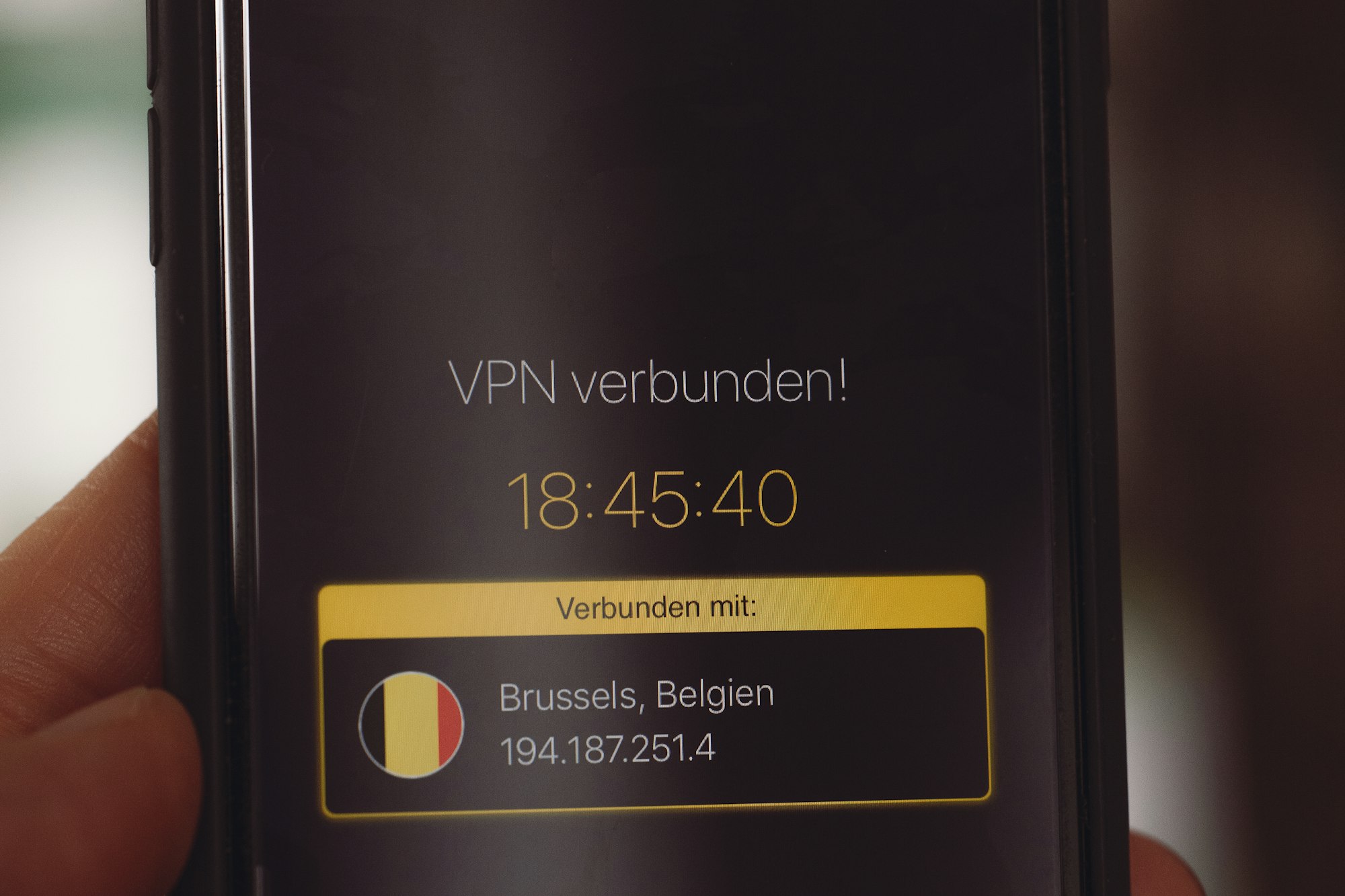
- It breaks the internet for privacy-conscious users: A battered spouse seeking legal aid, a whistleblower researching corruption, or a simple privacy advocate using a VPN would be blocked from accessing perfectly lawful speech if the site they are visiting falls under the state's broad "harmful" definition.
- It is technically unworkable: Websites generally cannot distinguish between a VPN user in Milwaukee and a VPN user in Mumbai. To comply with Wisconsin law, a website would likely have to block all known VPN traffic globally—or simply block all Wisconsin IP addresses entirely to avoid the liability.
- It creates a false sense of security: Tech-savvy minors will easily circumvent these blocks (e.g., using obscure proxies or Tor), while law-abiding adults are stripped of their digital defenses.
A War on Lawful Speech
Beyond the technical failures, this legislation represents a direct attack on the First Amendment. The Supreme Court has repeatedly ruled that you cannot burn the house to roast the pig; the state cannot burden the free speech rights of adults in the name of protecting children.
By forcing adults to identify themselves to the government or private corporations just to view legal content, the state creates a "chilling effect." Many users will simply avoid accessing information they have a right to see rather than risk exposing their identity and financial data.
 My Privacy Blog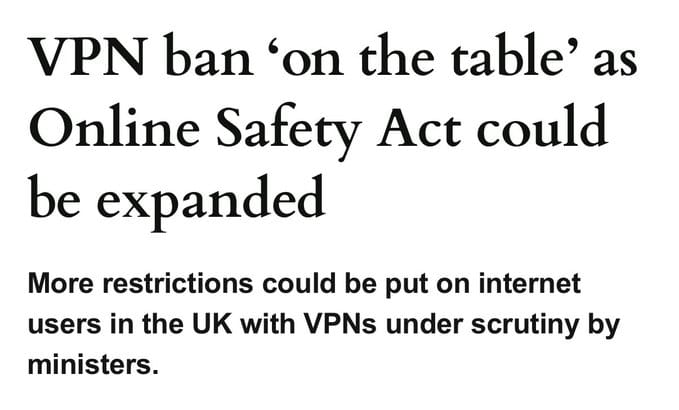
It’s Not Just Wisconsin: A National list of Shame
Wisconsin is not acting alone. It is accelerating a dangerous trend that has already swept across nearly half the country. While Wisconsin and Michigan are currently the only states attempting to explicitly break VPN technology, dozens of others have already passed "digital carding" laws that force citizens to upload government IDs to view lawful content.
Here is the current roster of states pushing this surveillance-heavy censorship:
The "VPN Killers" (Explicitly targeting security tools)
- Wisconsin: (Senate Bill 130 / Assembly Bill 105) mandates that regulated websites must block access to any user connecting via a VPN.
- Michigan: (House Bill 4938) goes even further, proposing that Internet Service Providers (ISPs) themselves must filter and block access to "circumvention" tools like VPNs, effectively turning local ISPs into state censors.
 My Privacy Blog
The "Digital ID" States (Enacted ID-gathering laws) The following states have already passed legislation forcing websites to collect your Driver’s License, financial data, or face scan. While they do not explicitly ban VPNs, their strict liability laws have caused many platforms to block these states entirely, leaving residents with a broken, censored internet:
- Texas: (HB 1181) – The model for many of these laws; currently upheld by the 5th Circuit, forcing millions of Texans to hand over IDs to data brokers.
- Louisiana: The first state to enact this legislation (Act 440), creating the blueprint for digital surveillance.
- Utah: (SB 287) Requires "age verification" for sites with more than 33% "harmful" content.
- Arkansas: (Act 612) Mandates strict age-gating for social media and adult content.
- Virginia: (SB 1515)
- North Carolina: (HB 8)
- Mississippi: (HB 1126)
- Montana: (SB 544)
- Indiana: (SB 17)
- Kansas: (SB 394)
- Oklahoma: (SB 1959)
The Reality: In every single one of these states, the result has not been "safer children." The result has been a massive exit of legitimate platforms who refuse to endanger user privacy, leaving a void filled by sketchy, non-compliant sites that ignore the law entirely. Wisconsin is simply trying to patch this failing policy by banning the only tool citizens have left to protect their privacy.
Conclusion
Wisconsin lawmakers are attempting to legislate 21st-century technology with a mindset stuck in the era of cable TV. They view the internet as a broadcast medium where the state can simply turn off the "bad channels."
They are wrong. The internet is a global network reliant on security protocols like VPNs to function safely. By trying to ban these tools and mandate digital IDs, Wisconsin isn't making the internet safer for kids; it is making it less safe, less private, and less free for everyone.
 My Privacy Blog